




Introduction to Modular Blockchains
With over $4.1 billion lost to DeFi hacks in 2024 alone, the need for enhanced blockchain structures has never been more urgent. Modular blockchains are emerging as a solution, offering scalability, flexibility, and security. In this article, we will delve into what modular blockchains are, their benefits, and how they can be integrated into current crypto practices.
What Are Modular Blockchains?
Modular blockchains, unlike traditional monolithic chains, separate the fundamental tasks of blockchain into discrete modules. This approach allows for greater specialization and efficiency, solving some of the key challenges faced by monolithic blockchains like scalability.
Like different compartments in a bank vault, modular blockchains divide responsibilities among various layers or modules. Each module can communicate with others through standardized interfaces, enhancing functionality without sacrificing performance.
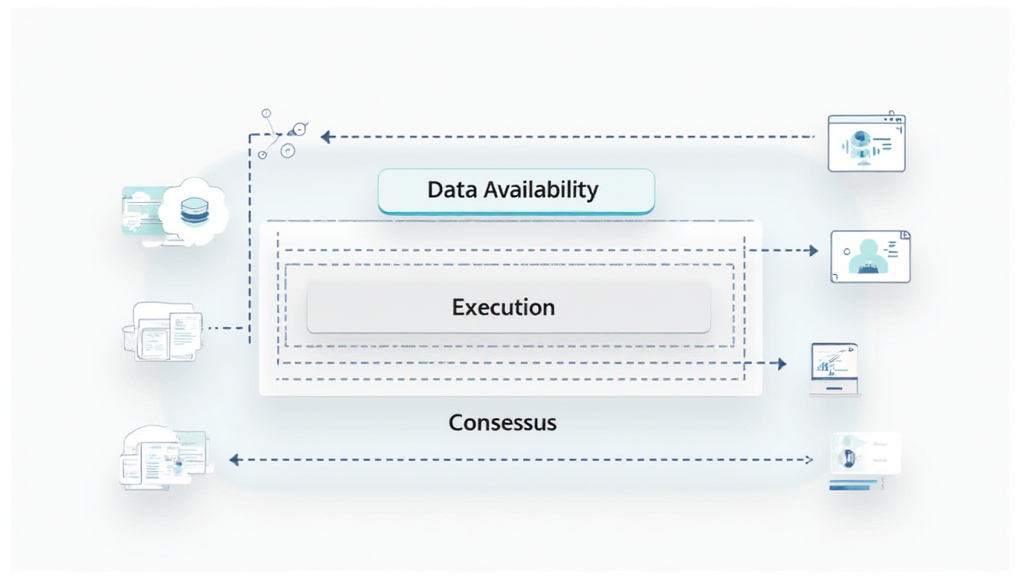
The Components of Modular Blockchains
- Data Availability Layer: Ensures that all data is accessible to network participants, similar to how a library catalog makes books easy to find.
- Execution Layer: Handles all transactions and smart contracts, acting as the engine of the blockchain.
- Consensus Layer: Facilitates agreement among participants on the state of the blockchain, much like how a courtroom settles disputes.
Benefits of Modular Blockchains
One major advantage of modular blockchains is their ability to scale easily. Organizations can develop custom modules tailored to their specific needs, effectively allowing for unique solutions without overhauling the entire blockchain system.
Additionally, they can lead to improved security. By dividing functionalities, risks can be isolated, minimizing potential attack vectors. This is particularly pertinent given the surge in crypto scams and hacks.
For instance, in Vietnam, the crypto user base has been experiencing an average growth rate of 30% per year, indicating a rising need for robust blockchain solutions to accommodate this influx of users.
Use Cases for Modular Blockchains
Let’s break down some real-world applications of modular blockchains:
- Decentralized Finance (DeFi): Modular architectures can streamline DeFi platforms, enabling faster transactions without compromising security.
- Supply Chain Management: Enhanced transparency and traceability through modular functions can be utilized in product tracking.
- Healthcare Systems: Secure health data sharing across different modules can lead to better patient outcomes.
Challenges and Considerations
Despite their advantages, implementing modular blockchains isn’t without challenges. It’s vital to address interoperability issues and ensure that the various modules communicate seamlessly.
Moreover, while they provide increased security, this can come at the cost of complexity. Developers and stakeholders must weigh the benefits against potential complications when adopting modular designs.
The Future of Modular Blockchains
According to industry data, the modular blockchain market is expected to expand significantly, with projections indicating a compound annual growth rate (CAGR) of 22% by 2025. As organizations look to streamline their blockchain infrastructures, modular solutions will likely become more mainstream.
Furthermore, with growing interest in blockchain technology within emerging markets such as Vietnam, the potential for modular blockchain adoption is considerable. As local regulations adapt, the path for broader implementation will be further facilitated.
Conclusion
In summary, modular blockchains present a transformative opportunity within the crypto landscape, offering solutions tailored for modern challenges. As we continue to see user growth across regions like Vietnam, understanding and leveraging these structures will be crucial for developers and investors alike.
To remain competitive, exploring innovations in blockchain technology—including modular architectures—can provide a significant advantage. Stay ahead by learning about these advancements today.


