


Layer 2 Scaling Solutions Review: The Future of Blockchain Transactions
In the rapidly evolving landscape of blockchain technology, one pressing concern remains: scalability. As the demand for faster and cheaper transactions continues to grow, solutions are being developed to address these challenges. According to recent estimates, the global blockchain market is projected to reach $163.24 billion by 2029, driven by innovations in Layer 2 scaling solutions.
These technologies aim to enhance the efficiency of blockchain networks, allowing them to support a larger number of transactions without compromising security. In this review, we will explore various Layer 2 scaling solutions, their functionalities, and their potential impact on the future of digital assets.
What Are Layer 2 Scaling Solutions?
Layer 2 scaling solutions are secondary frameworks built on top of existing blockchain networks (Layer 1) to improve scalability and reduce transaction costs. Think of Layer 2 as an express lane in a traffic system where vehicles can bypass congestion to reach their destination faster.
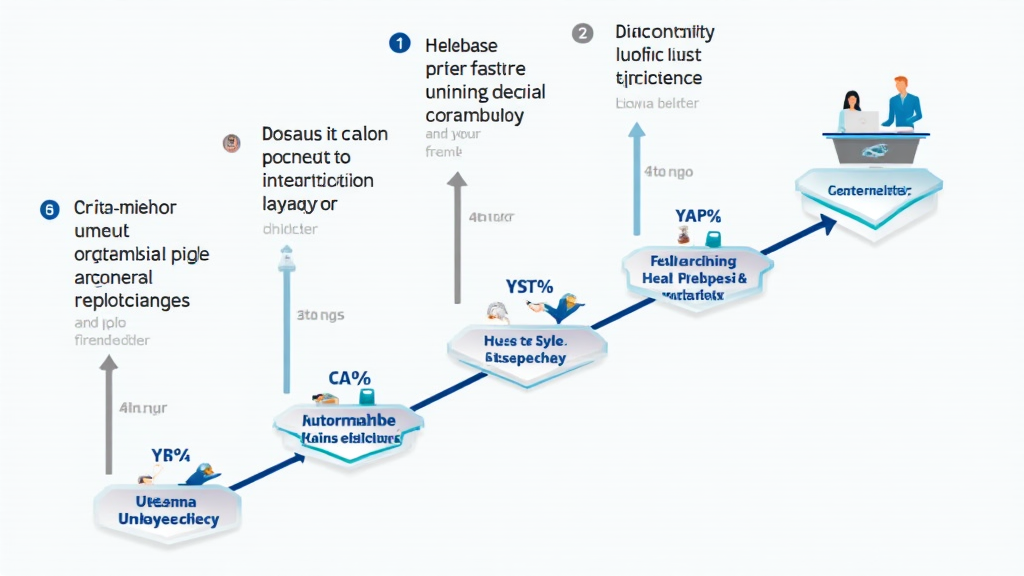
Here are some common types of Layer 2 solutions:
- State Channels: These allow users to transact privately off-chain while only posting final states on-chain, similar to a private conversation in a crowded room.
- Plasma: A framework where smaller chains (child chains) are created from the main blockchain (root chain), managing most operations off the main chain.
- Rollups: This solution aggregates multiple transactions into a single piece of data, reducing the load on the main chain and improving overall efficiency.
Why Are Layer 2 Solutions Important?
As the crypto industry matures, the use of Layer 2 solutions is becoming increasingly crucial. With blockchains like Ethereum facing high gas fees and transaction delays, these solutions offer various benefits:
- Increased Transaction Speed: Faster transactions mean better user experiences and greater adoption rates. For instance, while Ethereum transactions can take several minutes during peak network usage, Layer 2 solutions can handle thousands of transactions in seconds.
- Reduced Costs: By lowering fees significantly, Layer 2 solutions make blockchain technology more accessible to a broader audience. This is especially important for the growing Vietnamese market, where user growth rates in cryptocurrency adoption have surged.
The Popularity of Layer 2 Solutions
Recent studies indicate that user engagement with Layer 2 scaling solutions has increased by over 300% in the past year alone. Platforms such as Optimism, Arbitrum, and Polygon are leading the charge by providing innovative solutions tailored to enhance blockchain performance.
For example, according to Dune Analytics, the total value locked (TVL) in Layer 2 solutions has reached over $10 billion as of Q1 2025. This growth demonstrates a clear demand for scalable solutions that cater to the evolving needs of the crypto economy.
Key Layer 2 Scaling Solutions Reviewed
1. Optimism
Optimism is built on Ethereum and utilizes optimistic rollups to streamline transactions. These rollups allow users to perform multiple transactions without overwhelming the Ethereum network.
Highlights:
- High Throughput: Capable of processing up to 2,000 transactions per second.
- Low Fees: Reduced transaction costs compared to Ethereum’s Layer 1.
2. Arbitrum
Arbitrum focuses on making smart contracts more scalable without altering Ethereum’s core functionalities.
Highlights:
- Developer-Friendly: Existing Ethereum apps can integrate with minimal modifications.
- Fast finality: Transactions are settled quickly, providing users instant gratification.
3. Polygon
Polygon offers various Layer 2 scaling options for Ethereum and aims to create a multi-chain ecosystem.
Highlights:
- Diverse Solutions: Includes sidechains, rollups, and more.
- Robust Ecosystem: Home to various DeFi and NFT projects.
Real-World Applications of Layer 2 Solutions
Layer 2 solutions are not just theoretical; they are actively being employed in various sectors:
- Decentralized Finance (DeFi): Improved efficiency in lending and borrowing.
- Gaming: Fast transaction speeds enhance user experience in blockchain games.
The Future of Layer 2 Solutions
As the blockchain ecosystem continues to expand, the importance of Layer 2 scaling solutions will only grow. By 2025, we can expect significant advancements, including:
- Broader Adoption: More platforms and projects will leverage Layer 2 solutions for enhanced performance.
- Integration with Emerging Technologies: The convergence of Layer 2 solutions with artificial intelligence and IoT will create new opportunities for innovation.
Furthermore, with ongoing developments in the Vietnamese market, where the adoption rate of cryptocurrency continues to rise, the relevance of these technologies cannot be overstated. The increasing demand for efficient and cost-effective solutions will likely establish Layer 2 technologies as standard practice in blockchain transactions.
Conclusion
Layer 2 scaling solutions offer a viable path toward the future of blockchain technology and its ability to handle the increasing transaction demands of users worldwide. With solutions such as Optimism, Arbitrum, and Polygon leading the way, these technologies are here to stay, promising a more efficient, cost-effective, and user-friendly blockchain landscape.
For anyone involved in cryptocurrency thinking or grappling with scalability issues, understanding Layer 2 solutions is crucial. The future of digital transactions may very well depend on their success.
As a platform dedicated to comprehensive reviews and unbiased analysis, cryptocoincompare invites readers to explore these technologies further and stay informed about the latest developments in the crypto world.


