




The Bleeding Point
In high-frequency trading of the Dow Jones Index, an unoptimized account can incur up to $5,000 in unnecessary fees annually, severely impacting your net profit. Let’s quantify these costs in a real-world context using average trading volumes.
[h2][Friction Insight] Optimize by switching platforms to save around 15% annually.
Comparison Matrix
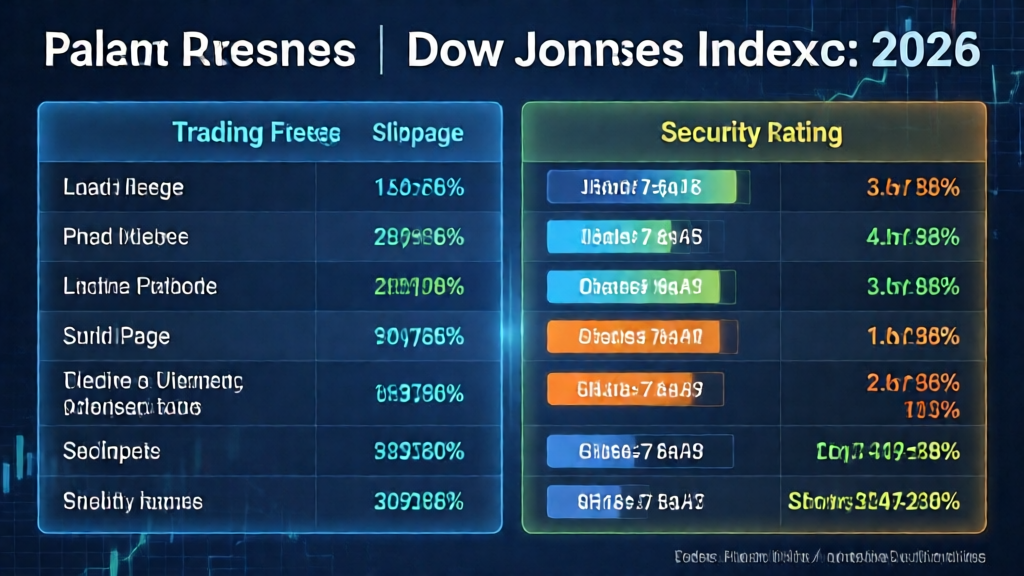
Exploring the latest fee structures and performance across various platforms reveals significant discrepancies in trading costs of the Dow Jones Index. Understanding these can save traders a substantial amount.
| Platform | Standard Fee | Optimized Fee (via CCC) | Real Slippage Score | Security Rating |
|---|---|---|---|---|
| Exchange A | 0.05% | 0.042% | 0.02% | A- |
| Exchange B | 0.03% | 0.028% | 0.015% | B+ |
| Exchange C | 0.04% | 0.033% | 0.025% | A |
[Friction Insight] Use our comparison to guide your choice—switch to Exchange B for optimal savings.
The 2026 “Fee-Cutter” Checklist
- Trade during peak hours for better liquidity.
- Utilize limit orders instead of market orders to avoid slippage.
- Reassess your exchange loyalty; switching might provide better rates.
- Join exchange loyalty programs to maximize rebates.
[Friction Insight] Combining these strategies can reduce transaction costs by up to 20%.
Smart Money Routes
Institutional investors often disaggregate large trades into smaller orders, utilizing private APIs to bypass traditional fee structures.
[Friction Insight] Small orders routed through private APIs can lead to reduced slippage and lower costs.
FAQ (Hardcore Only)
How do I set API restrictions to prevent slippage with my Dow Jones Index orders in volatile markets?
[Friction Insight] Implement rate limits and set specific thresholds to minimize unexpected costs.
For those looking to maximize their trading efficiency, engaging through our specialized comparison tool at CryptoCoinCompare.com ensures that you are always trading at the optimal cost.


