


Introduction
In 2024, with over $4.1 billion lost to hacks in the DeFi sector, ensuring the security of digital assets has never been more critical. As the blockchain landscape evolves, so does the need for robust data protection mechanisms. Decentralized storage solutions have emerged as a vital component in safeguarding our digital information, providing enhanced security and resilience against attacks. This article delves into the world of decentralized storage, exploring its benefits, mechanisms, and the future landscape in the blockchain ecosystem.
Understanding Decentralized Storage Solutions
Decentralized storage refers to the distribution of data across multiple nodes in a network, ensuring that no single entity has control over that data. This is akin to how trees in a forest interact—each tree contributes to the ecosystem while standing independently. With the surge of data generation, decentralized storage presents a new paradigm shift in data management. Traditional storage systems often present single points of failure, which can lead to significant data breaches.
Key Features of Decentralized Storage
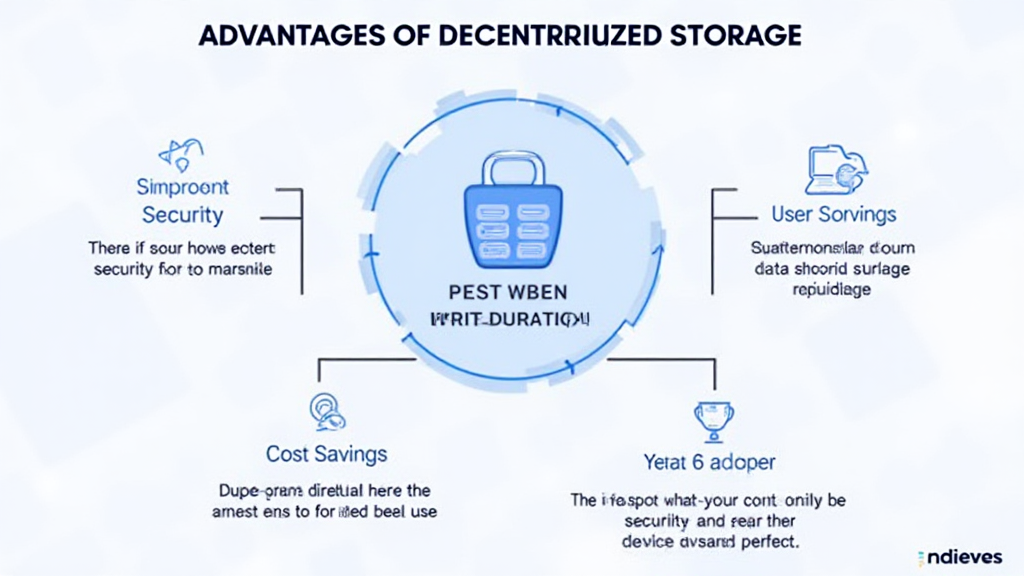
- Security: Data is encrypted and split into shards distributed across multiple nodes, ensuring that unauthorized parties cannot access them.
- Redundancy: The decentralized nature of these solutions means that if one node fails, others can still maintain the data integrity.
- Control: Users retain control of their data, eliminating reliance on centralized providers.
- Cost-Effectiveness: Often, decentralized solutions can reduce costs associated with data storage considerably.
Comparison with Traditional Storage Solutions
Let’s break it down. Traditional storage solutions, such as cloud services offered by major corporations, often consolidate data in central servers. This model raises significant privacy concerns and has historically led to data leaks. In contrast, decentralized systems function like a bank vault that distributes assets across multiple locations, reducing risk exposure.
Real-World Use Cases
- File Storage: Services like Filecoin and Storj provide options for users to store data securely with decentralized networks.
- Backup Solutions: Providers can utilize decentralized networks to ensure that data backups are not only reliable but also secure from unauthorized access.
- Collaborative Projects: Teams can use decentralized solutions to store project files, ensuring that all members have access while maintaining security.
Challenges in Decentralized Storage
While decentralized storage solutions offer many advantages, there are challenges that investors and users should be aware of. One of the primary concerns is the coordination among nodes, as increased latency can occur compared to centralized systems. Moreover, there are scalability issues if the network grows rapidly without adequate infrastructures, such as Ethereum.
Regulatory Concerns
While decentralized storage solutions enhance user control and security, they also provoke regulatory scrutiny. As outlined by financial authorities, compliance with laws can become complex. Notably, in the future, regulations like the General Data Protection Regulation (GDPR) in Europe may impose constraints even within decentralized systems.
Advice for Adopting Decentralized Storage
- Choose a reputable provider with a proven track record and transparent policies.
- Assess security measures, such as encryption standards and data recovery options.
- Understand the regulatory landscape in your jurisdiction; remain compliant to avoid penalties.
Future Trends and Conclusion
As blockchain technology matures, the adoption of decentralized storage solutions will likely continue to rise. With increasing data breaches and privacy concerns, the demand for secure and efficient data storage becomes evident. By 2025, market projections indicate that decentralized storage solutions could account for a substantial segment of the data storage industry, particularly within emergent markets such as Vietnam, where user growth rates are accelerating.
In conclusion, decentralized storage solutions stand poised to revolutionize how we manage data. By providing enhanced security, user control, and potential cost savings, these technologies not only offer hope against data breaches but also set the stage for a more transparent and secure digital landscape. Embracing these solutions could be pivotal to navigating the complex terrain of digital asset management in the coming years.
For more insights on blockchain technology and its applications, be sure to visit cryptocoincompare.
About the Author
Dr. Nguyen Minh, a blockchain security expert with over 15 published papers in the field and a lead auditor for several well-known projects, shares his insights on decentralized storage solutions. His extensive experience and research play a crucial role in informing both investors and tech enthusiasts.


