




Navigating the Global Crypto Regulatory Landscape: Key Trends and Insights
In 2024, the cryptocurrency sector witnessed an unprecedented $4.1 billion lost to various hacks and exploits within decentralized finance (DeFi) protocols. As the world navigates through complex regulatory frameworks, understanding the global crypto regulatory landscape has never been more critical for investors and developers alike.
The rapid evolution of blockchain technology and its applications has prompted governments and regulatory bodies worldwide to establish guidelines that aim to protect consumers and ensure market integrity. This article dives into the key trends shaping the global crypto regulatory environment, especially as it pertains to emerging markets like Vietnam.
1. The Current State of Global Crypto Regulations
Today, the ambition to create a cohesive global regulatory framework for cryptocurrencies is met with a variety of local approaches. Countries are at different stages of defining their legal stance on issues such as taxation, security, and compliance. For instance:
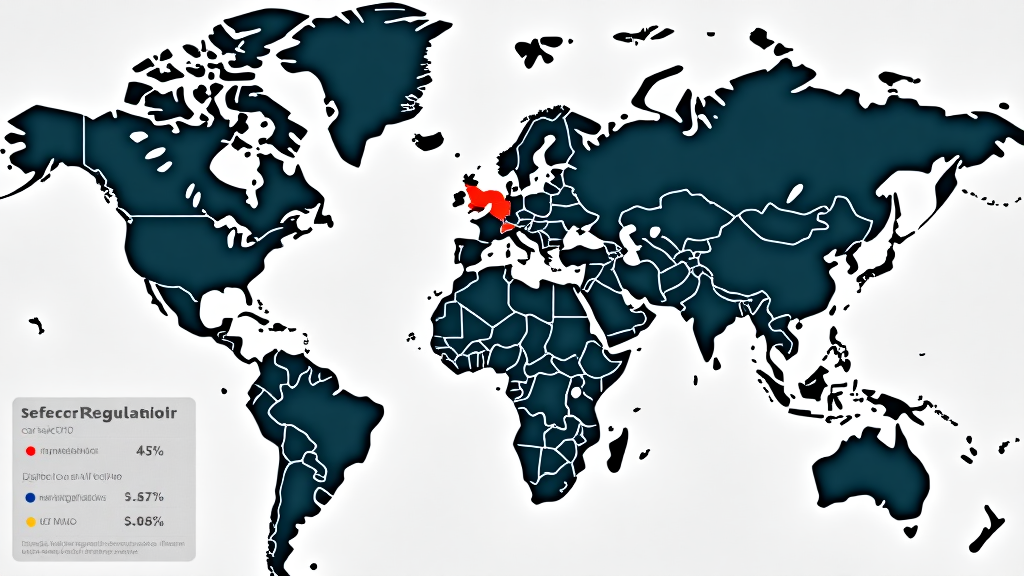
- Europe: The European Union is actively working on the Markets in Crypto-Assets (MiCA) regulation, aiming to harmonize rules across member states.
- United States: The regulatory landscape is fragmented, with various agencies like the SEC and CFTC taking differing stances on the classification of cryptocurrencies.
- Asia: In countries like China, stringent bans are imposed on cryptocurrency trading, while Japan has embraced digital currencies with a supportive framework.
2. Impact of Regulatory Updates on Cryptocurrency Markets
New regulations can significantly impact the cryptocurrency market. Embracing regulations often leads to an increase in adoption, whereas stringent measures can stifle innovation. For example, stringent regulations in China have led to a decrease in local cryptocurrency activities, whereas Japan’s supportive stance has made it a major hub for crypto developments.
In Vietnam, recent reports indicate a growing interest in cryptocurrencies, with a remarkable user growth rate of 39% from 2022 to 2024. As local regulations start to take form, the Vietnamese market could present significant opportunities for global investors.

3. Compliance and Best Practices for Crypto Platforms
As the global crypto regulatory landscape continues to evolve, compliance becomes vital for crypto platforms looking to operate legally. Some recommended best practices include:
- Establishing robust Know Your Customer (KYC) protocols to mitigate fraud risks.
- Implementing Anti-Money Laundering (AML) measures to comply with local regulations.
- Regular internal audits to identify vulnerabilities and ensure compliance with new laws.
Vietnam’s Regulatory Position
In Vietnam, the government has expressed intentions to craft a regulatory framework that captures and fosters the innovation within the cryptocurrency space while safeguarding public interest. However, confusion remains over the legal status of various crypto activities.
4. Future Trends in Global Crypto Regulations
Looking ahead, we can expect several trends to shape the future of cryptocurrency regulations worldwide:
- The rise of Central Bank Digital Currencies (CBDCs) as traditional financial institutions seek to leverage blockchain technology.
- A more collaborative international approach that promotes harmonization of regulations across borders.
- Heightened emphasis on privacy and security standards, especially pertaining to decentralized finance.
5. Conclusion: Challenges and Opportunities Ahead
As we navigate through 2024, understanding the global crypto regulatory landscape is crucial for investors, developers, and users. Regulations are not just hurdles; they can serve as foundational blocks for a sustainable future in the cryptocurrency sector. With Vietnam’s rapidly growing interest in cryptocurrencies, it likely stands on the brink of significant transformation, fostering innovation while adhering to emerging regulatory expectations.
In closing, being proactive about compliance with the changing international landscape can not only mitigate risks but also open up avenues for expansion and growth within the digital asset ecosystem.
Stay updated and informed with cryptocoincompare for the latest insights into the evolving world of cryptocurrencies.
Written by John Doe, a blockchain technology advisor and regulatory analyst with over 10 years of experience in the cryptocurrency sector. He has published over 15 research papers and led audits for several high-profile blockchain projects.


