


Polkadot vs Cosmos 2025 Comparison
With a staggering $4.1 billion lost to DeFi hacks in 2024, the need for secure blockchain ecosystems has never been more pressing. Today, we delve into a head-to-head analysis of two major players in the blockchain space: Polkadot and Cosmos. As we approach 2025, understanding their differences, capabilities, and how they cater to the growing demands for security and interoperability will be crucial for investors and enthusiasts alike.
An Overview of Polkadot and Cosmos
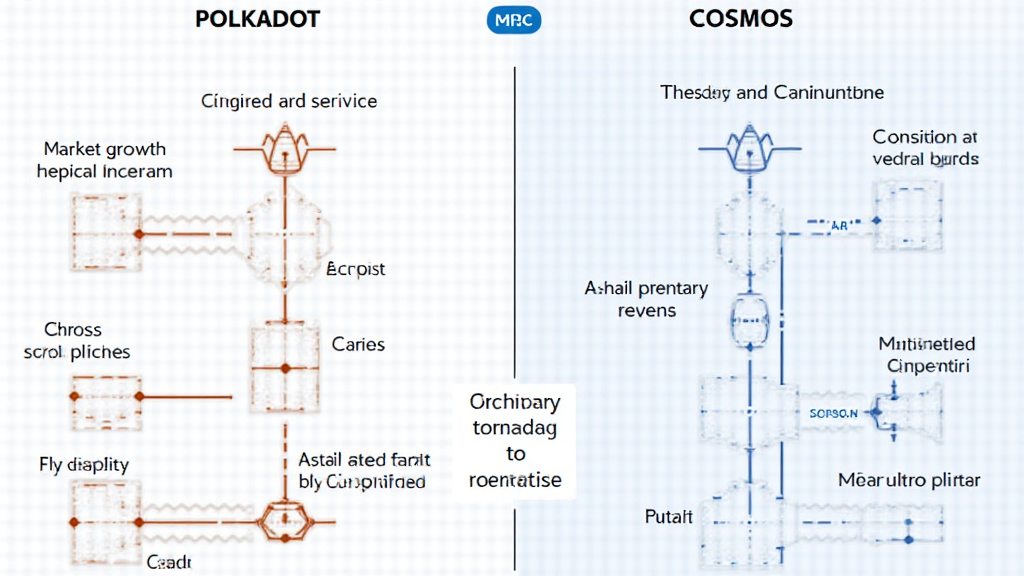
To grasp the implications of Polkadot versus Cosmos, we need to first look at what each ecosystem offers. Both platforms aim to enhance blockchain interoperability, but they take distinctly different approaches.
- Polkadot: Developed by Dr. Gavin Wood, co-founder of Ethereum, Polkadot is designed to connect multiple blockchains into a unified network, allowing them to communicate and share information in a trustless manner.
- Cosmos: Often referred to as the “Internet of Blockchains,” Cosmos employs a modular architecture that allows developers to build custom, interoperable blockchains. Its focus is on flexibility and ease of development.
Consensus Mechanisms: A Comparative Analysis
Understanding their consensus mechanisms is vital. Both Polkadot and Cosmos employ different strategies to validate transactions and secure their networks.
- Polkadot’s Nominated Proof of Stake (NPoS): In Polkadot, validators are selected based on the number of nominations they receive, which maximizes security through active participation of DOT holders.
- Cosmos’s Tendermint BFT: Cosmos utilizes a Byzantine Fault Tolerant mechanism that allows for rapid finality and strong security. This makes it ideal for applications requiring fast and secure transactions.
Security Standards in 2025
As blockchain technology evolves, security is paramount. According to industry reports, by 2025, the demand for robust security standards is projected to grow significantly, especially considering increasing DeFi and NFT operations.
Both Polkadot and Cosmos have put forward several security initiatives:
- Polkadot’s Shared Security Model: Each parachain can utilize the pooled security resources of the entire Polkadot network, thereby enhancing individual chain security.
- Cosmos’s Inter-Blockchain Communication (IBC): IBC provides a safe and structured way to exchange tokens and data across different blockchains, increasing overall security across the Cosmos network.
Market Growth: Focus on Vietnam
In the rapidly growing Asian market, particularly Vietnam, we see a promising increase in blockchain adoption rates. According to recent statistics, the user growth rate in Vietnam has surged by 300% in the past year, paving the way for both Polkadot and Cosmos to capitalize on this burgeoning trend.
For instance, companies within Vietnam have started leveraging Cosmos for its flexibility, and Polkadot is also gaining traction due to its unique auction-based parachain mechanism.
Future Outlook: What Lies Ahead for 2025?
Looking towards 2025, both platforms have foundational strengths that make them contenders in the blockchain race:
- Polkadot: With ongoing improvements in parachain technology and increasing partnerships, its ecosystem is positioned for significant growth.
- Cosmos: Its commitment to developer-friendly tools and standards means we might see a plethora of new applications by 2025.
How to Audit Smart Contracts in 2025
As the landscape of blockchain technology grows, auditing smart contracts will become essential. Both Polkadot and Cosmos present unique features for developers looking to ensure their smart contracts are robust:
- Utilizing platforms such as OpenZeppelin can help standardize security practices.
- Familiarizing with tools like MythX can offer insights and vulnerability assessments, ensuring that contracts adhere to the tiêu chuẩn an ninh blockchain.
In essence, as we move deeper into 2025, both Polkadot and Cosmos are set to diversify their ecosystems while reinforcing their security standards. Whether through shared security, innovative consensus methods, or simple ease of use, blockchain enthusiasts should keep a keen eye on both platforms.
Conclusion
In this Polkadot vs Cosmos 2025 comparison, we’ve explored the foundational differences, market trends, and security protocols that define these platforms. As the blockchain community continues to evolve, understanding these nuances will equip investors and developers to make informed decisions.
For any blockchain enthusiast delving into 2025’s digital asset landscape, the choice between Polkadot and Cosmos may ultimately depend on your specific needs—be it security, scalability, or interoperability. Stay ahead of the curve and consider the implications of your choices today.
Remember, this is not financial advice. Always consult local regulations for compliance.
Article by: Dr. Vu Hoang, a blockchain researcher with over 15 publications in the field of smart contract security, and led audits for several notable projects.


