




Introduction
As digital currencies continue to gain popularity worldwide, the necessity for regulation intensifies. In Vietnam, where the cryptocurrency market has seen significant growth, the need for clear regulatory frameworks around Bitcoin and other cryptocurrencies is paramount. According to a report from Vietnam’s Ministry of Finance, cryptocurrency users in Vietnam have grown by over 40% in the past year, signaling a robust interest in digital assets.
This article aims to provide a detailed overview of Vietnam’s Bitcoin regulations expected by 2025, discussing their implications for investors, businesses, and regulatory bodies. We will delve into the current status of regulation, anticipated changes, and how these adjustments will influence the crypto market in the country.
The Current Landscape of Bitcoin Regulation in Vietnam
As of 2023, the regulatory environment for Bitcoin in Vietnam is still evolving. The State Bank of Vietnam (SBV) has prohibited the use of Bitcoin and other cryptocurrencies as a means of payment; however, they have recognized their use for investment purposes. This dual approach creates a somewhat ambiguous regulatory situation.
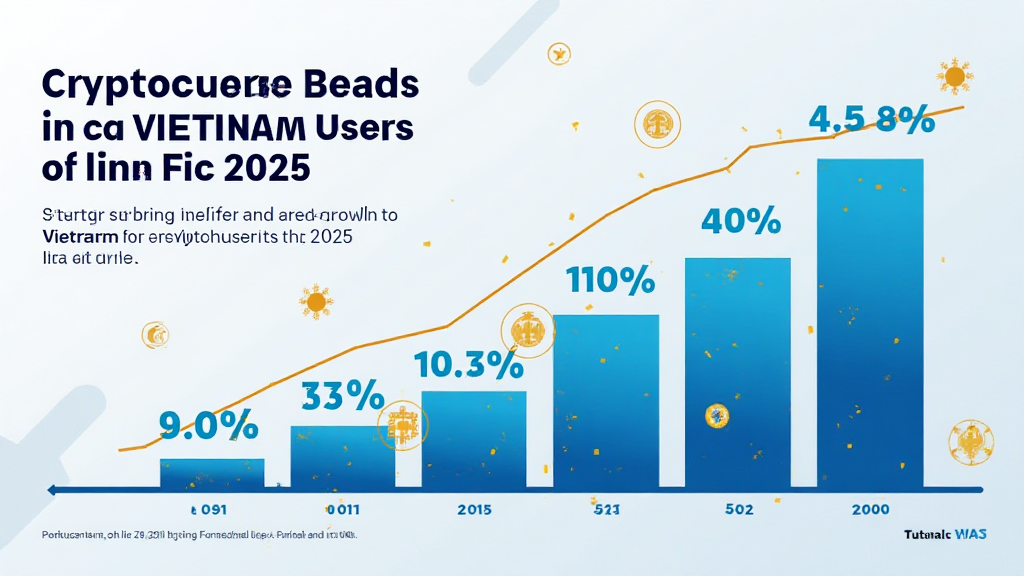
Despite the prohibition on payment use, there has been a significant rise in peer-to-peer trading platforms and a growing number of crypto exchanges operating within the region. Investors have been flocking to these platforms, drawn by the potential for high returns. With an estimated **5 million** cryptocurrency investors in Vietnam by the end of 2024, the government realizes it must clarify regulations to protect users and the financial system.
Recent Developments in Regulation
In recent years, Vietnam has indicated that it is actively working on formalizing its stance on cryptocurrencies. For instance:
- In March 2023, the SBV announced a regulatory framework aimed at tracking digital assets, which included guidelines on anti-money laundering (AML) practices related to crypto assets.
- Additionally, Vietnam is planning to implement a pilot program for a central bank digital currency (CBDC) by 2025, which would further shape the regulatory landscape for cryptocurrencies.
- As of now, the government is also collaborating with organizations such as the International Monetary Fund (IMF) to better understand risks and benefits associated with cryptocurrency use.
These initiatives highlight Vietnam’s recognition of the importance of regulating cryptocurrencies appropriately while still fostering innovation in the digital finance space.
Predictions for 2025: The Future of Bitcoin Regulation in Vietnam
Looking ahead to 2025, stakeholders anticipate substantial changes in Vietnam’s Bitcoin regulation. Given the rapid growth of the cryptocurrency market, several critical developments can be expected:
- Formal Legal Framework: It is expected that Vietnam will establish a comprehensive legal framework for digital assets, particularly surrounding taxation and compliance. This will create greater clarity for investors and businesses operating in the crypto space.
- Taxation Guidelines: As cryptocurrencies gain traction, the government may begin to implement tax guidelines specifically for crypto transactions. Following international models, Vietnam may require reporting of cryptocurrency transactions for tax purposes to enhance revenue and ensure compliance.
- Partnerships with Crypto Exchanges: The Vietnamese government may work closely with established cryptocurrency exchanges to ensure proper user verification processes are in place. Regulatory partnerships can enhance user protection and reduce the risk of illicit activities.
- Increased Investment in Blockchain Technology: The regulation is expected to foster increased investment in blockchain technology, potentially establishing Vietnam as a hub for fintech innovation in Southeast Asia.
Impact on Cryptocurrency Investors and Businesses
As Bitcoin regulations take shape, the implications for cryptocurrency investors and businesses looking to operate in Vietnam’s market will be significant:
- Investors will benefit from enhanced security and a clearer understanding of their legal rights and responsibilities in the crypto space.
- Businesses that adapt to the regulatory environment will stand to gain a competitive edge by complying with the rules while minimizing the risks associated with crypto investments.
- As regulations promote safer trading practices, investors may feel more confident entering the Vietnamese cryptocurrency market, attracting more capital inflows and innovation in the sector.
How to Prepare for Vietnam Bitcoin Regulation in 2025
With the anticipation of new regulations looming, it’s essential for investors and crypto businesses to start preparing:
- Stay Informed: Keep up with announcements from Vietnamese regulatory authorities and news related to cryptocurrency to remain compliant and adapt strategies as needed.
- Consult Professionals: Seek advice from financial professionals and legal experts who specialize in cryptocurrency law and compliance standards.
- Embrace Transparency: Implement transparent business practices that prioritize compliance and customer education regarding Bitcoin investments.
Conclusion
The evolution of Vietnam’s Bitcoin regulations signifies a pivotal moment for the country’s cryptocurrency market. By 2025, we expect a favorable legal environment that will protect investors, foster innovation, and ensure compliance. The anticipated legal framework will create a more structured operating environment for cryptocurrency enthusiasts, ultimately leading to increased confidence and participation in the market. As Vietnam solidifies its position as a key player in the digital asset arena, staying informed and prepared will be essential for anyone involved in cryptocurrencies. Let’s navigate the future of Bitcoin in Vietnam responsibly as we move towards these pivotal regulatory changes.
For more insights on the evolving cryptocurrency landscape, visit cryptocoincompare. Stay connected to understand how emerging regulations can impact your investment strategies.
Author: Dr. Nguyen Minh Tuan, a recognized blockchain expert, has published over 15 significant papers on cryptocurrency regulations and has led audits for major blockchain projects worldwide.


